Rare historical pictures of some of the Greatest 20th Century Minds Skip to main content

Unveiling the Enigmatic Cleopatra: 10 Fascinating Facts

Rare historical pictures of some of the Greatest 20th Century Minds

Here is a collection of some of the rare and unseen historical pictures of some of the Greatest minds of 20th Century who changed the world forever.

Albert Einstein (1859-1955)

“Two things are infinite: the universe and human stupidity; and I'm not sure about the universe.” 
― Albert Einstein
einstein
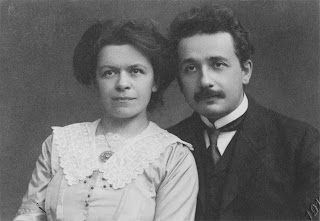
Albert and Mileva Einstein,1912

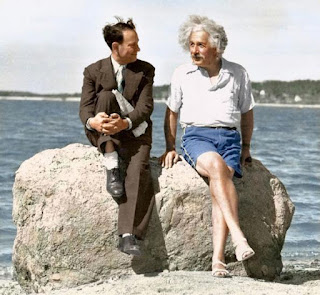
Albert Einstein at beach,1950

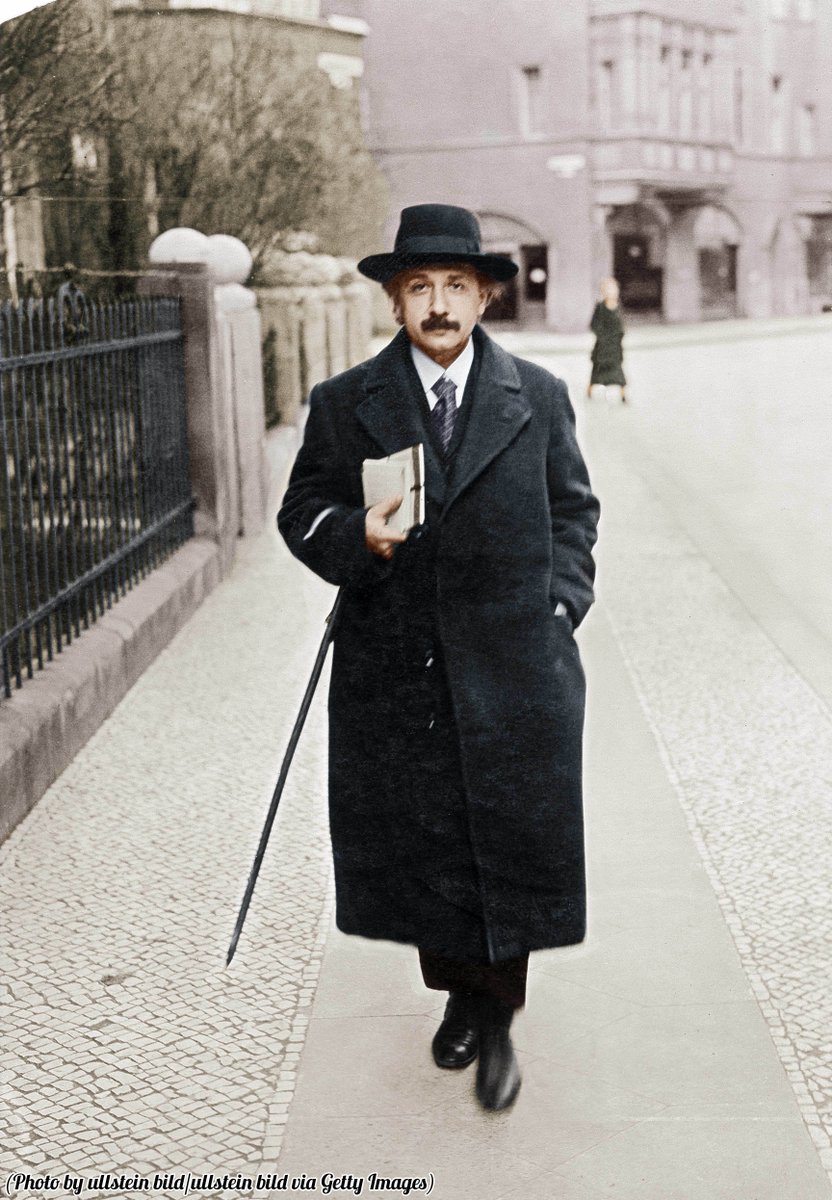
Albert Einstein at Berlin,1920.

Nikola Tesla (1856-1943)

“The scientists of today think deeply instead of clearly. One must be sane to think clearly, but one can think deeply and be quite insane.” 
― Nikola Tesla
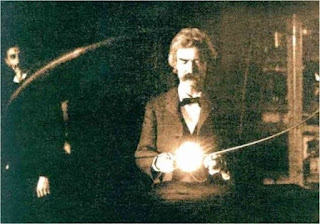
Mark Twain in Nikola Tesla's Lab
Nikola Tesla,1940


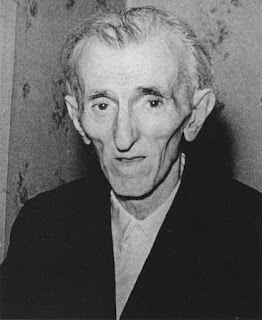
Last Picture of Nikola Tesla

Edwin Hubble (1889-1953)

“With increasing distance, our knowledge fades, and fades rapidly. Eventually, we reach the dim boundary—the utmost limits of our telescopes. There, we measure shadows, and we search among ghostly errors of measurement for landmarks that are scarcely more substantial. The search will continue. Not until the empirical resources are exhausted, need we pass on to the dreamy realms of speculation.” 
― Edwin Powell HubbleThe Realm of the Nebulae
Edwin Hubble

Thomas Edison (1847-1931)

“I have not failed. I've just found 10,000 ways that won't work.” 
― Thomas A. Edison
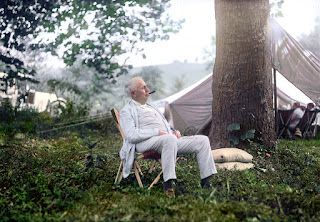
Edison on "Vagabonds" Camping trip,1921

Henry Ford,Thomas Edison and Harvey Firestone

Marie Curie (1867-1934)

“Nothing in life is to be feared, it is only to be understood. Now is the time to understand more, so that we may fear less.” 
― Marie Curie
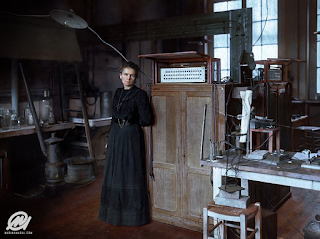
Marie Sklodowska Curie,early 1900s

Stephen Hawking ( 1942-Present)

“We are just an advanced breed of monkeys on a minor planet of a very average star. But we can understand the Universe. That makes us something very special.” 
― Stephen Hawking
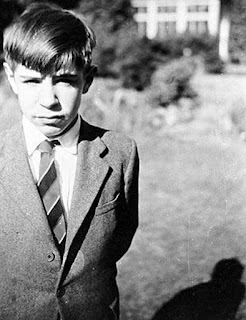
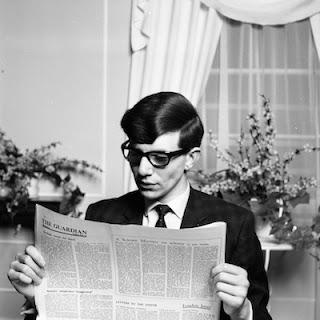
Stephen Hawking,1950s

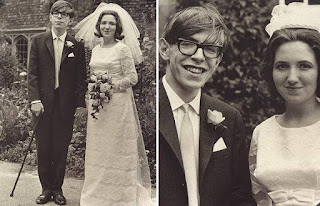
Stephen Hawking marries Jane Wilde,1965

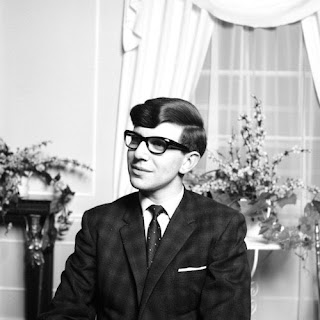
Stephen Hawking before ALS,1960s


Stephen Hawking,1960s

Einstein, Curie, Bohr, Planck, Heisenberg, Schrödinger at Solvay Conference in Physics,1927.


Popular posts from this blog

Penny has 5 children Riddle Answer

Penny has 5 children Riddle Answer. Penny has 5 children. The 1st is named January. 2nd kid is February. Her 3rd is called March. 4th is April. What is the name of the 5th. Solution: Name of 5th child is "What". It is not a question just a statement.

10 Most Interesting Facts

Most Interesting Random Facts 1. 'Kung-Fu Panda' (2008) was so successful in China that it caused a national debate on why Westerners made a better film about Chinese culture than the Chinese themselves. 2. 85% of bikinis sold never touch the water. 3. India consumes almost as much whisky as the rest of the world put together. Instead of Scotch, Indians drink local varieties bearing Scottish-sounding names, such as McDowell’s or Bagpiper, that are made from molasses.  4. When humans domesticated wolves, we basically bred Williams syndrome into dogs, which is characterized by "cognitive difficulties and a tendency to love everyone". 5. Due to the historically long bond between dogs and humans, dogs have evolved to understand human laughter. 6. Apples you buy in the grocery store are 5-12 months old. They are stored in a special low temperature, low oxygen (2%) environment, which preserves the nutritional content of the fruit. 7. C...

The man who single handedly saved the world from nuclear war

STANISLAV PETROV In 1983, the world came closest to a full scale nuclear war between Russia and the US. Back then, Russia's nuclear early-warning system reported that a missile had been launched from the United States, followed by up to five more. Stanislav Petrov, the duty officer at the command center at that time,  was tasked with observing the satellite early warning network and notifying his superiors of any impending nuclear missile attack against the Soviet Union. If notification was received from the early warning systems that inbound missiles had been detected, the Soviet Union's strategy was an immediate and compulsory nuclear counter-attack against the United States. Petrov dismissed the warning as a false alarm. He deduced that a first-strike nuclear attack by the United States was likely to involve hundreds of simultaneous missile launches in order to disable any Soviet means of a counterattack. His suspicion was confirmed when no missiles arrive...